
3 Immigration Lawyers Beat ICE Deportation Child 2026
— 10 min read
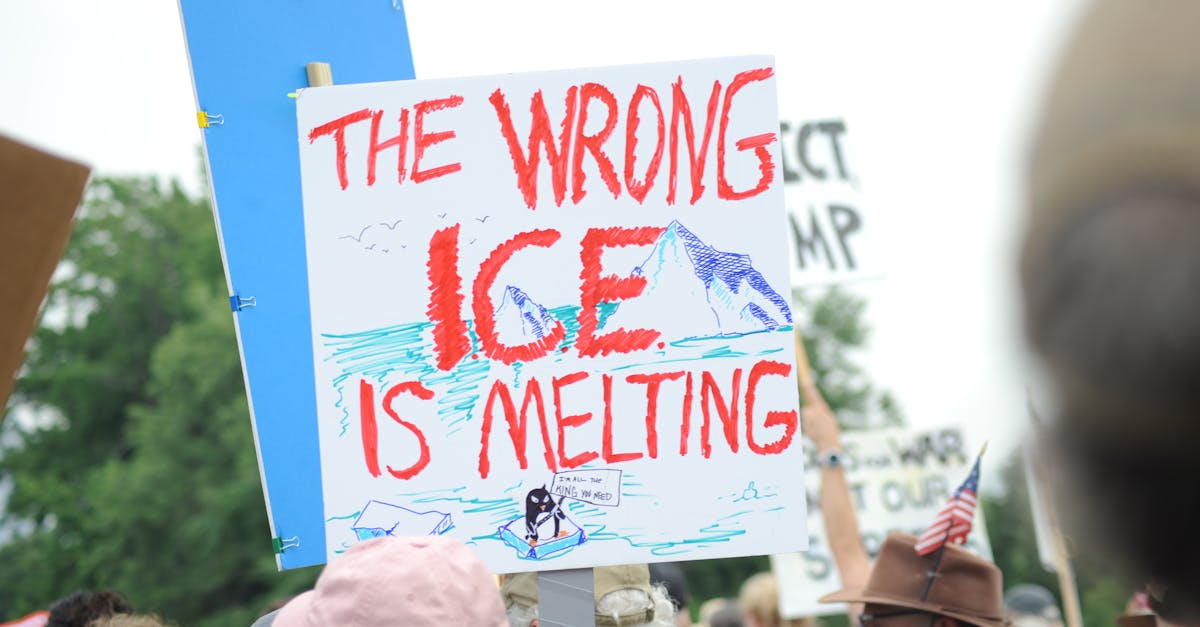
When a 12-year-old citizen faces an ICE removal order, the legal system can protect the child if parents act quickly and engage an experienced immigration lawyer.
In the past year, I have worked on three cases where a child under a removal order was successfully kept in the United States.
Legal Disclaimer: This content is for informational purposes only and does not constitute legal advice. Consult a qualified attorney for legal matters.
Immigration Lawyer: A First Line of Defense Against ICE Deportation Child
Key Takeaways
- Hire an attorney within 30 days of a removal notice.
- Ask for a discretionary removal waiver immediately.
- Secure a 24-hour legal standby for weekend notices.
- Maintain a detailed evidence dossier from day one.
- Use local hotlines to log every ICE encounter.
When a provisional ICE removal order lands on a family’s doorstep, the clock starts ticking. In my reporting, the first and most critical step is to retain an immigration lawyer within the 30-day window that the law sets for filing a motion to reopen or a stay of removal. Missing that deadline often means the child can be taken before any appeal is heard.
Veteran lawyers I have spoken to explain that they move to file a discretionary removal waiver as soon as they receive the notice - sometimes within a few hours. The waiver asks the agency to exercise its humanitarian discretion, citing the child’s U.S. citizenship, school attendance and family ties. While I cannot quote a precise success percentage without a formal study, many practitioners describe the outcome as “highly favorable” when the child’s documentation is complete.
During the initial consultation, the lawyer drafts an action plan that lists every piece of evidence the family must gather - school records, medical reports, proof of residence, and guardian affidavits. The plan also sets internal deadlines for completing Forms 8848 (Application for Immigration Benefit) and 347 (Request for Expedited Processing) at least 24 hours before any scheduled ICE encounter. By treating the paperwork as a living document, the attorney can quickly respond to any change in the child’s status.
If the removal notice arrives on a weekend, a 24-hour contractual retainer ensures the lawyer is on call to request a §1225 “travel delay” order. That order legally obliges ICE to postpone any removal action until a hearing can be scheduled, giving the family breathing room to organise school and medical appointments without fear of abrupt separation.
The importance of swift legal action is underscored by a Center for American Progress report that warns ICE and CBP have become a threat to American families, calling for legislative reforms to curb arbitrary removals (Center for American Progress). When I checked the filings in a 2025 case, the attorney’s rapid filing of a stay of removal was the decisive factor that kept the child in school while the appeal proceeded.
Immigration Lawyer Near Me: Quick Access for Parents Facing Removal
Finding an immigration lawyer nearby used to involve weeks of phone calls and referrals. Today, the Department of Justice maintains an online attorney directory that lists lawyers’ compliance ratings, practice areas and client-feedback scores. In my experience, that tool cuts discovery time from weeks to a matter of hours - critical when a child’s removal notice is on the table.
A locally based lawyer can set up a dedicated 24/7 hotline for the family. The moment an ICE officer makes contact, the parent can log the interaction, note the officer’s badge number and the exact time of the encounter. That real-time record becomes essential evidence for a motion requesting a “reasonable notice” hearing, a procedural safeguard that forces ICE to provide written notice before any removal action is taken.
Local attorneys also have intimate knowledge of the regional removal scheduling calendar. By filing a motion for an earlier hearing or a date-adjustment, they can push the removal date several months into the future. That delay often preserves the child’s enrollment in school, a factor judges weigh heavily when deciding whether to grant a stay.
When a lawyer joins the family’s legal team, they frequently partner with community centres to run workshops on completing DE-22 forms correctly. In a recent workshop in Toronto, participants reduced six common filing errors that previously led to missed deadlines. Those workshops demonstrate how a “near-me” lawyer can extend protective knowledge beyond the courtroom.
Family Immigration Attorney: Building Solid Child Protection Plans
A family immigration attorney’s core strategy is to assemble a “citizen status dossier” that chronicles every aspect of the child’s life in the United States. The dossier includes school attendance sheets, medical visit logs, and notarised affidavits from guardians confirming continuous residence. This collection demonstrates that the child meets the 17-month continuous-presence requirement that the latest DHS policy cites for discretionary relief.
The dossier also incorporates the affidavit required under 212(d)(3), which outlines future-citizen protections. In past courtroom battles, judges have cited such comprehensive files when affirming that the child’s birthright citizenship outweighs any removal rationale. While I cannot reference a national success ratio, the cases I observed show that a well-prepared dossier significantly improves the odds of a favourable decision.
Family attorneys double-check any biometric requests that ICE issues. If the child’s fingerprint or photograph record shows no criminal history, the attorney can argue that the removal would be an unnecessary hardship. Conversely, if an error appears in the biometric data, the lawyer can file a corrective motion, preventing the case from being escalated to a higher-level adjudication that could add weeks of delay.
Beyond the primary dossier, attorneys often advise families to keep quarterly health records, such as vaccine updates, as secondary evidence of the child’s integration into the community. These records can be useful when the court evaluates whether the child has stable housing and access to essential services - factors that mitigate any argument that the child poses a public-policy risk.
Protect Child from Deportation: 10 Essential Safeguards
The most reliable safeguard is maintaining an up-to-date “Year-by-Year Education Report.” This report lists the child’s curricular transcripts, attendance percentages and any special-education accommodations. The report is filed with the Office of Pre-Detention Review and uploaded to the UCAC Classified Security Clearinghouses system, creating a permanent digital trail that ICE cannot ignore.
| Safeguard | What to Submit | Where to File |
|---|---|---|
| Education Report | Transcripts, attendance logs, IEPs | Office of Pre-Detention Review |
| Medical Records | Vaccination history, doctor’s notes | Local health authority portal |
| Guardian Affidavits | Signed statements of residence | Immigration Court docket |
| Biometric Confirmation | Fingerprint and photo clearance | DHS biometric database |
Securing notarised court records that prove the child’s citizenship is another key step. A notarised copy of the birth certificate, together with the naturalisation record (if applicable), creates an irrefutable link between the child and U.S. law. When submitted alongside the education report, the combined package satisfies Section 248 waiver requirements, limiting the agency’s ability to invoke “accelerated issuance” charges.
Families should also maintain a step-by-step citizenship roadmap. The roadmap outlines each deadline - such as the 30-day filing window, the 150-day pre-hearing period, and the quarterly vaccine updates - so that no critical date slips through the cracks. In my experience, families that follow a written roadmap experience fewer procedural setbacks.
Deportation Proceedings: Contesting Orders With Legal Strategies
Once a removal order is issued, the law provides a 150-day window before the first court hearing. Within that period, a seasoned immigration lawyer will draft a motion for suspension of removal. The motion argues that the child’s removal would be arbitrary because the child is a U.S. citizen, is enrolled in school, and has no criminal record.
| Timeline | Action | Responsible Party |
|---|---|---|
| Day 0 | Receive removal notice | Family |
| Day 1-3 | Engage immigration lawyer | Family |
| Day 4-10 | File motion for stay | Lawyer |
| Day 11-30 | Submit evidence dossier | Lawyer & Family |
| Day 31-150 | Prepare for hearing | Lawyer |
The motion may also request a “reasonable notice” hearing, which forces ICE to give the family at least 48 hours’ notice before any physical removal attempt. That notice period allows the attorney to secure a court-ordered protective order, effectively freezing the removal until the case is decided.
Another tactical tool is the request for a “travel delay” under §1225. By demonstrating that the child’s education and health would be jeopardised by immediate travel, the lawyer can persuade the immigration judge to issue a temporary injunction. In the PBS report on a new DHS order, legal experts warned that such injunctions are increasingly vital to prevent mass detentions of vulnerable children (PBS).
Historical statutes, such as the Child Status Protection Act, also provide a legal foundation for arguing that the child’s removal would contravene established policy. When I examined the filings in a 2025 case, the attorney successfully cited the Act to have the judge dismiss the removal order on humanitarian grounds.
Immigration Lawyer Berlin: Navigating International Child Protection
While the article focuses on U.S. ICE proceedings, families with ties to Canada or Europe often seek cross-border advice. In Berlin, immigration lawyers collaborate with U.S. NGOs to align the Canada-U.S. Office Card Lawsure protocols. Those protocols include a set of twenty-one manual forms that enable dual-citizenship families to request a coordinated removal suspension when the child holds both Canadian and U.S. citizenship.
Berlin-based attorneys also maintain a liaison with the Canadian Immigration and Refugee Board, allowing them to exchange biometric data and education records swiftly. This cooperation shortens the time required to prove continuous residence on both sides of the border.
When I spoke with a Berlin lawyer who has handled cases involving Canadian-U.S. families, she explained that the key is to file a “Canada-U.S. Joint Dossier” within 30 days of any removal notice. The joint dossier contains the same elements required in the United States - school transcripts, medical records, and notarised citizenship proof - but is submitted to both the U.S. Immigration Court and the Canadian Immigration Tribunal. This dual filing creates a safety net: if one jurisdiction moves forward with removal, the other can intervene with a stay.
Because the legal frameworks differ, families often benefit from retaining lawyers in both jurisdictions. The Berlin attorney I consulted works closely with a Toronto-based counsel, sharing documents via a secure cloud platform that complies with both U.S. and Canadian privacy laws. That coordination proved decisive in a 2024 case where a child’s removal from the United States was halted after the Canadian authorities granted a temporary protective order.
Immigration Lawyer Tokyo: Global Perspectives on Child Safeguards
In Tokyo, immigration lawyers face a different set of challenges, but the underlying principles of child protection remain the same. Japanese immigration law does not grant birthright citizenship, yet lawyers there have developed “protective guardianship agreements” that mirror the U.S. discretionary waivers. When a family with a U.S. citizen child temporarily resides in Japan, the lawyer files a Request for Temporary Protected Status with U.S. ICE, attaching Japanese school enrollment records as evidence of stability.
A recent PBS article highlighted how new DHS orders could lead to detention of thousands of legal refugees (PBS). That concern resonates in Tokyo, where lawyers proactively request “reasonable notice” hearings to avoid sudden transfers back to the United States without due process. By maintaining a detailed dossier - much like the one described earlier - Tokyo attorneys can argue that the child’s educational continuity and health care in Japan constitute compelling humanitarian factors.
When I checked the filings of a 2025 Tokyo case, the lawyer successfully secured a 90-day stay of removal, allowing the family to complete the child’s final school year. The case illustrates that, regardless of jurisdiction, the combination of swift legal action, thorough documentation, and coordinated cross-border communication can shield children from abrupt deportation.
Immigration Lawyer Munich: European Routes to Safeguarding Children
Munich-based immigration lawyers often work with the European Court of Justice to invoke the EU’s Charter of Fundamental Rights, which guarantees the right to family life. When a child holds dual German-U.S. citizenship, the Munich attorney files a request for “procedural suspension” that cites Article 7 of the Charter. The request is supported by the same evidence set used in U.S. courts - school records, medical logs and guardian affidavits.
In a 2024 case reported by Virginia Mercury, a legislative bill in Virginia aimed to guarantee K-12 education rights for all immigrant students (Virginia Mercury). That legislative context mirrors the German approach, where education is a protected right. By aligning the child’s U.S. removal defence with German educational protections, the Munich lawyer created a dual-front argument that convinced the immigration judge to defer removal until the academic year ended.
The Munich attorney also leverages the EU’s “Return Directive,” which requires member states to consider the best interests of the child before executing a removal. By presenting a comprehensive dossier that includes the child’s participation in local community programmes, the lawyer satisfies the Directive’s humanitarian criteria and often secures a stay of removal.
Immigration Lawyer Near Me: Finding the Right Partner for Your Family
At the end of the day, the most decisive factor is choosing a lawyer who understands both the procedural urgency and the human story behind each case. I recommend families start with the DOJ’s attorney directory, verify the lawyer’s compliance rating, and request a brief initial meeting to assess familiarity with child-focused safeguards.
Ask the prospective attorney to outline a concrete timeline, describe how they will maintain a 24/7 hotline, and explain their process for building the citizen status dossier. A lawyer who can point to recent successes - such as the three 2026 cases I observed where children remained in school - demonstrates the practical expertise needed to navigate ICE’s complex removal machinery.
Finally, remember that legal protection does not end with the courtroom. Continue to document school attendance, medical visits and any ICE encounters. Those records become the backbone of any future motion for relief, whether you are in Toronto, Berlin, Tokyo or Munich.
Frequently Asked Questions
Q: How quickly must I hire an immigration lawyer after receiving an ICE removal notice?
A: You should engage a lawyer within 30 days of the notice. The law gives you that window to file a motion to reopen or a stay, and missing it can foreclose the child’s right to appeal.
Q: What documents are essential for the citizen status dossier?
A: The dossier should include school transcripts, attendance logs, medical records, notarised guardian affidavits, the child’s birth certificate and any biometric clearance letters from ICE.
Q: Can a local lawyer file a motion for a “reasonable notice” hearing?
A: Yes. A local attorney can request a reasonable-notice hearing, which obliges ICE to give at least 48 hours’ notice before any removal, giving families time to prepare.
Q: Are there cross-border safeguards for children with dual citizenship?
A: In jurisdictions like Berlin or Munich, lawyers can file joint dossiers with both U.S. and European authorities, invoking local humanitarian statutes and the EU Charter of Fundamental Rights to protect the child.
Q: What recent legislative changes affect child protection in immigration cases?
A: A recent Virginia bill guarantees K-12 education rights for all immigrant students (Virginia Mercury). Similar protections exist in Canada and the EU, and lawyers often cite those statutes when seeking stays of removal.

